AI for Cities: Smart City Use Cases for 2026

Cities around the world are under increasing pressure. Populations are growing. Infrastructure is aging. Budgets are constrained. And residents expect faster, more transparent services than ever before.
For decades, municipal governments have relied on traditional systems and manual processes to manage everything from traffic lights to building permits. But those approaches are becoming harder to sustain as urban complexity increases.
Artificial intelligence (AI) is beginning to change that.
By 2026, AI is expected to move beyond experimental pilots and generic productivity tools. Instead, it will power practical, city-specific systems that help municipalities operate more efficiently, respond faster to residents, and make smarter long-term planning decisions.
When implemented responsibly, AI allows cities to do more with limited resources—while improving quality of life for the people who live there.
This article explores how AI is expected to reshape municipal operations, infrastructure management, public safety, urban planning, and citizen engagement over the next few years.
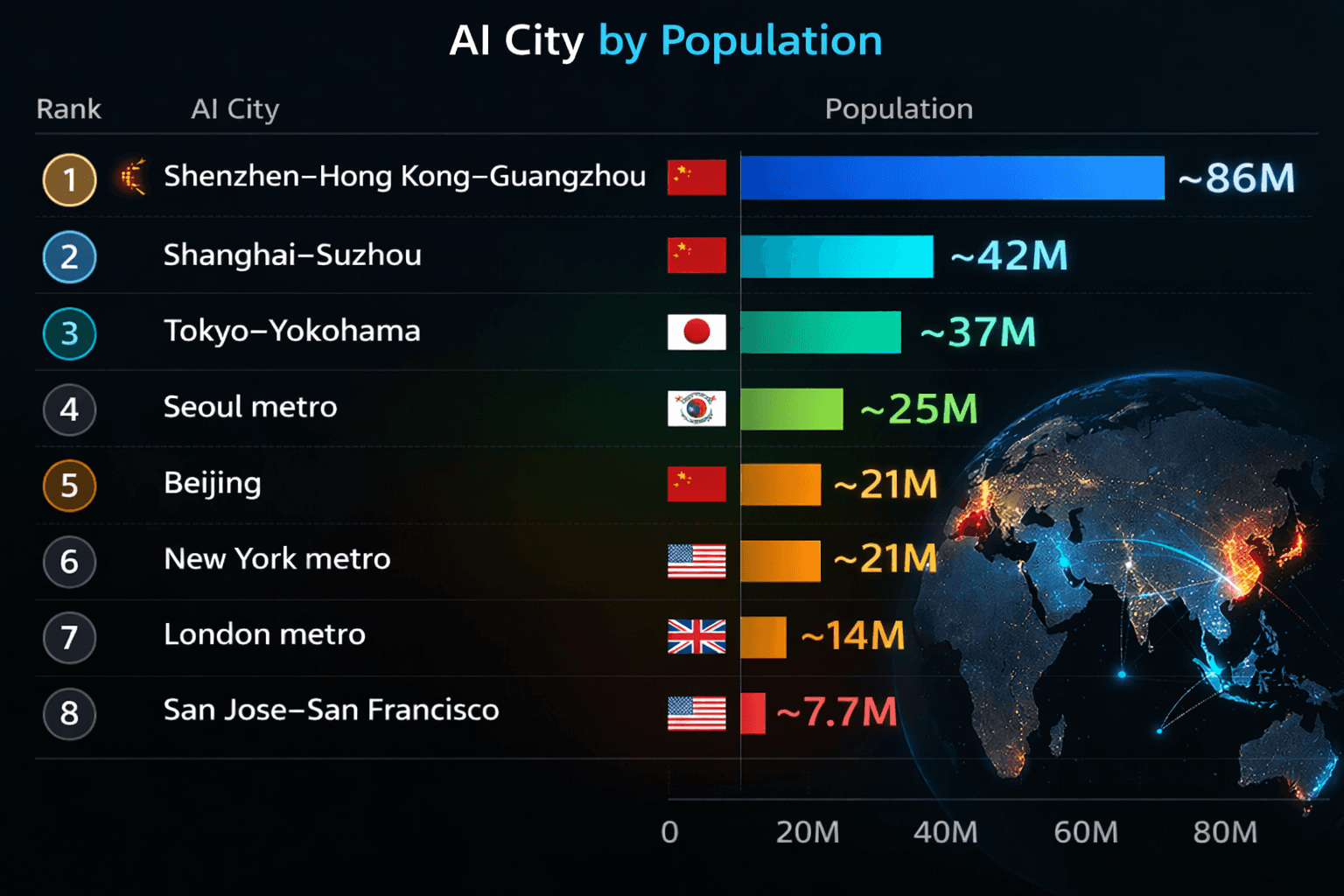
Why Cities Are Investing in AI Now
Municipal leaders today face a difficult balancing act. Cities must maintain aging infrastructure, manage population growth, improve public safety, address climate risks, and deliver better services—all while operating within tight budgets.
At the same time, many local governments are dealing with workforce shortages. Experienced staff are retiring faster than cities can replace them, and recruiting new talent into government roles is increasingly difficult.
AI offers a practical way to bridge this gap. Instead of simply adding more employees, AI systems can automate repetitive tasks, analyze large volumes of data, and identify patterns that humans would struggle to detect on their own.
For example, AI can help cities:
Predict infrastructure failures before they happen
Automate routine service requests from residents
Model future development scenarios for planners
Detect safety risks earlier during emergencies
These capabilities allow city teams to focus their time on strategic decisions and community engagement rather than administrative tasks. In many cases, AI adoption is less about innovation and more about necessity.
AI for City Operations and Infrastructure Management
One of the most immediate and impactful uses of AI in cities is infrastructure management.
Urban infrastructure—from roads and bridges to water systems and public buildings—requires constant monitoring and maintenance. Historically, cities have relied on scheduled inspections or citizen complaints to identify issues.
That approach is reactive.
AI changes this by enabling predictive maintenance.
Instead of waiting for something to break, cities can use AI models to anticipate problems before they occur.
Predictive Maintenance for Infrastructure
AI systems can analyze sensor data, historical maintenance records, and environmental conditions to detect patterns that indicate potential failures.
Examples include:
Identifying roads likely to develop potholes
Detecting early leaks in water distribution systems
Predicting failures in public building HVAC systems
Monitoring bridge structural integrity
By addressing issues early, cities can reduce repair costs and extend the lifespan of critical assets.
Smart Traffic Signal Optimization
Traffic congestion is one of the most visible frustrations residents experience.
AI-powered traffic systems can dynamically adjust signal timing based on real-time traffic conditions, reducing delays and improving flow.
These systems analyze:
Vehicle density
Pedestrian traffic
Public transportation schedules
Incident reports
The result is smoother traffic movement, reduced emissions, and shorter commute times.
Smart Waste Collection
Traditional waste collection routes are fixed, meaning trucks often visit bins that are not yet full.
AI-enabled waste management systems use sensors to monitor bin fill levels and optimize collection routes.
This reduces:
Fuel consumption
Operational costs
Unnecessary truck traffic
Adaptive Street Lighting
AI-powered lighting systems adjust brightness based on activity levels, weather conditions, or time of day.
They can also automatically detect outages and notify maintenance teams.
Key benefits of AI-driven infrastructure management include:
Lower operating costs
Faster response times
Improved asset longevity
AI for Citizen Services and Resident Engagement
Modern residents expect government services to be as accessible and responsive as the digital tools they use every day.
AI-powered digital assistants are helping cities meet these expectations. Instead of navigating complex government websites or waiting on hold, residents can interact with AI systems that answer questions and guide them through services.
AI Chatbots for City Services
Municipal AI assistants can handle common requests such as:
Reporting potholes or broken streetlights
Asking about garbage collection schedules
Checking permit requirements
Requesting public records
These assistants are available 24/7 and can respond instantly.
Multilingual Support
Many cities serve diverse populations where residents speak multiple languages. AI-powered translation allows municipal chatbots to support multilingual communication without requiring large language-specific staff teams.
This makes city services more inclusive and accessible.
Automated Service Request Handling
AI can automatically categorize and route service requests to the appropriate department.
For example:
A pothole complaint can be routed directly to public works
A noise complaint can be sent to code enforcement
A sanitation request can go to waste management
This speeds up response times and reduces administrative workload.
Benefits for Residents
AI-powered citizen services provide:
Faster response times
Improved transparency
More convenient access to city resources
Residents receive quicker answers and clearer information, which can significantly improve trust in local government.
AI in Urban Planning and Development
Urban planning involves complex decisions that affect communities for decades.
Planners must balance housing demand, transportation infrastructure, environmental sustainability, and economic growth.
AI is becoming a powerful tool for modeling these scenarios.
Generative Planning Models
AI can simulate multiple development scenarios based on zoning regulations, population projections, and infrastructure capacity. This allows planners to test different options before making decisions.
For example, AI can help answer questions like:
How will rezoning affect traffic patterns?
Where should new schools be built based on population growth?
What infrastructure upgrades are needed to support new housing developments?
Infrastructure Demand Forecasting
AI models can predict future demand for services such as:
Public transportation
Utilities
Schools and healthcare facilities
This helps cities plan investments more effectively.
Climate and Environmental Modeling
Climate resilience is becoming a central priority for many municipalities.
AI tools can analyze environmental data to model:
Urban heat islands
Flood risks
Air quality trends
Emissions impacts of new developments
These insights help cities design more sustainable communities.
Benefits for City Planning
AI-powered planning tools support:
Data-driven decision making
Reduced risk in development projects
Improved environmental outcomes
AI for Public Safety and Emergency Management
Public safety is another area where AI can provide meaningful support.
Emergency response agencies must process large amounts of data quickly during crises.
AI can help identify risks earlier and improve coordination during emergencies.
Disaster Risk Forecasting
AI models can analyze weather patterns, terrain data, and historical events to predict risks from:
Flooding
Wildfires
Hurricanes
Severe storms
These predictions allow cities to prepare resources and issue warnings earlier.
Evacuation Route Optimization
During emergencies, traffic congestion can slow evacuations.
AI systems can analyze live traffic data to recommend optimal evacuation routes and adjust them dynamically as conditions change.
Infrastructure Hazard Detection
AI-enabled monitoring systems can detect hazards such as:
Structural damage after earthquakes
Gas leaks
Electrical failures
These systems can trigger alerts to emergency responders.
Crime Pattern Analysis
AI can analyze crime data to identify patterns and hotspots.
This helps law enforcement allocate resources more effectively and focus on prevention strategies.
However, cities must carefully manage these systems to ensure they are used responsibly and without bias.
Public Safety Benefits
AI supports:
Faster emergency response
Better coordination between agencies
Improved situational awareness
Digital Permitting and Automated Compliance
One of the most time-consuming processes in city government is permitting.
Developers, contractors, and homeowners often face long approval timelines due to manual review processes.
AI-powered digital permitting systems are beginning to streamline this workflow.
Automated Plan Review
AI can automatically review building plans against zoning regulations and building codes.
This includes checking:
Setback requirements
Height restrictions
Accessibility compliance
Safety regulations
Pre-Submission Compliance Checks
Developers can use AI tools to run pre-submission checks before formally submitting applications.
This reduces the number of incomplete or non-compliant applications.
Faster Permit Approvals
By automating routine compliance checks, cities can significantly reduce permit approval timelines.
City staff can then focus their attention on complex cases rather than routine reviews.
Benefits of Digital Permitting
AI-powered permitting systems provide:
Faster approvals
Reduced administrative workload
More consistent decision-making
Will AI Replace City Employees?
A common concern around AI is job displacement.
In municipal government, the goal of AI is typically not to replace staff but to augment them.
City employees still play a critical role in making policy decisions, engaging with communities, and managing complex situations.
AI handles tasks that involve repetitive analysis or data processing.
This allows public employees to focus on higher-value responsibilities such as:
Strategic planning
Community outreach
Policy development
Crisis management
In many cases, AI actually helps cities operate effectively despite staffing shortages.
Risks Cities Must Manage When Implementing AI
While AI offers significant benefits, cities must also address potential risks.
Responsible implementation requires careful governance.
Key concerns include:
Data Privacy
Municipal systems often handle sensitive personal information.
Cities must ensure strong data protection practices and compliance with privacy regulations.
Algorithmic Bias
AI systems trained on biased data can produce unfair outcomes.
Regular auditing and transparency are essential to prevent discrimination.
Transparency and Accountability
Residents must understand how AI is used in government decision-making.
Cities should provide clear documentation and oversight mechanisms.
Human Oversight
AI systems should support—not replace—human judgment in critical decisions.
Establishing clear accountability structures is essential.
What Success with AI Looks Like for Cities by 2026
Cities that successfully adopt AI will not necessarily be the ones with the most advanced technology.
Instead, success will come from thoughtful, practical implementation.
Successful cities will use AI to:
Deliver faster and more reliable services
Maintain infrastructure proactively
Improve emergency preparedness
Support smarter urban planning
Increase transparency and resident satisfaction
The goal is not technology for its own sake.
It is better city management and improved quality of life for residents.
The Future of AI in Cities
Artificial intelligence is quickly becoming an essential tool for modern municipal governance. As cities continue to grow and resources remain constrained, AI will help governments operate more efficiently while maintaining high service standards.
Cities that adopt AI responsibly will be better positioned to handle the challenges of the coming decades. Those that delay may find it increasingly difficult to keep pace with the expectations of their residents.
The future of cities will not be defined solely by technology.
But AI will play a central role in helping cities become more resilient, efficient, and livable places for everyone.
FAQ: AI Use Cases for Improving Cities
What role will AI play in cities by 2026?
By 2026, AI will move beyond experimental tools and become embedded in everyday municipal operations. Cities will use AI to manage infrastructure, optimize traffic, respond to citizen service requests, and support planning decisions. Rather than replacing city workers, AI will act as a support system—analyzing data, identifying patterns, and helping officials make faster, better-informed decisions.
In practical terms, residents may notice smarter traffic lights, faster permit approvals, improved emergency response systems, and digital assistants that help them interact with city services more easily.
Why are cities investing in AI now?
Cities are facing multiple pressures at once: population growth, aging infrastructure, workforce shortages, climate risks, and rising expectations from residents. At the same time, municipal budgets are often limited.
AI allows cities to do more with the resources they already have. It can automate repetitive tasks, analyze complex data quickly, and predict problems before they become costly failures. This helps city leaders maintain service levels and improve operations without significantly increasing staffing or operational expenses.
How can AI improve city infrastructure and asset management?
Infrastructure management is one of the most powerful use cases for AI in cities. Roads, bridges, water systems, and public facilities all require continuous monitoring and maintenance.
AI systems can analyze sensor data, historical maintenance records, and environmental conditions to identify patterns that indicate potential problems. This enables predictive maintenance—fixing issues before they become major failures.
Common applications include:
Predicting pothole formation and road deterioration
Monitoring water system leaks and pipe failures
Tracking structural health of bridges and public buildings
Detecting equipment failures in municipal facilities
The result is lower maintenance costs, fewer service disruptions, and longer infrastructure lifespans.
How does AI improve traffic management?
Traffic congestion is a major challenge in many urban areas. AI-powered traffic systems analyze real-time data from sensors, cameras, and connected vehicles to optimize signal timing and traffic flow.
Instead of using fixed traffic signal schedules, AI systems adjust signals dynamically based on current conditions.
Benefits include:
Reduced traffic congestion
Shorter commute times
Lower vehicle emissions
Improved emergency vehicle routing
These systems can also help cities identify long-term traffic patterns and plan better transportation infrastructure.
Can AI help cities reduce energy consumption?
Yes. Many cities are deploying AI-enabled smart infrastructure to improve energy efficiency.
For example, adaptive street lighting systems can automatically adjust brightness depending on pedestrian activity, weather conditions, or time of day. AI systems can also detect outages and maintenance needs instantly.
In municipal buildings, AI-powered building management systems can optimize heating, cooling, and lighting based on occupancy and weather conditions.
These improvements help cities reduce energy consumption, lower operating costs, and meet sustainability goals.
How does AI improve citizen services?
AI-powered digital assistants allow residents to access city services more easily. Instead of navigating complex government websites or waiting on hold, residents can interact with AI chatbots or voice assistants.
These systems can help residents:
Report potholes or infrastructure issues
Ask questions about permits or zoning regulations
Check trash collection schedules
Request public services
Access city resources and information
Because these systems operate 24/7, residents can receive immediate responses without needing to contact city offices during business hours.
Can AI support multilingual communication with residents?
Yes. Many AI-powered systems include real-time translation capabilities that allow cities to communicate with residents in multiple languages.
This is especially valuable in diverse communities where residents may speak different languages. AI translation tools make city services more inclusive and accessible, ensuring that more residents can understand and use municipal services.
How is AI used in urban planning?
Urban planning involves complex decisions about housing, transportation, environmental sustainability, and economic development. AI helps planners model future scenarios and evaluate the impact of different development choices.
AI can analyze data such as:
Population growth projections
Transportation patterns
Environmental conditions
Land use and zoning regulations
Using this information, planners can test development scenarios before making major decisions.
For example, AI can help planners predict how new housing developments will affect traffic, school capacity, and infrastructure demand.
Can AI help cities address climate risks?
Yes. Climate resilience is becoming a major focus for many municipalities, and AI can help cities analyze environmental data to better understand risks.
AI systems can model:
Flood risks in coastal or riverfront areas
Urban heat island effects in dense city centers
Air pollution patterns
Long-term climate trends
These insights help cities design infrastructure and policies that make communities more resilient to environmental changes.
How does AI improve emergency response and disaster management?
AI systems can analyze weather patterns, geographic data, and historical incidents to help cities predict and prepare for emergencies.
For example, AI can assist with:
Flood forecasting and storm risk prediction
Wildfire risk analysis
Real-time evacuation route planning
Infrastructure damage detection after disasters
By providing earlier warnings and better situational awareness, AI helps emergency responders coordinate more effectively and protect residents.
What is digital permitting and automated compliance?
Digital permitting systems use AI to automatically review building plans and development proposals against zoning laws and building codes.
This allows cities to automate many of the routine checks that traditionally required manual review.
For example, AI systems can automatically verify:
Zoning restrictions
Building height limits
Setback requirements
Accessibility compliance
Safety standards
This dramatically speeds up permit approvals and reduces administrative workloads for city staff.
Will AI replace city employees?
No. In most cases, AI is designed to support city employees rather than replace them.
Municipal workers still play a critical role in policy decisions, community engagement, and complex case evaluations.
AI simply handles repetitive administrative tasks and large-scale data analysis. This allows city staff to focus on higher-value work such as strategic planning, problem-solving, and direct interaction with residents.
What are the risks of AI adoption in cities?
While AI offers many benefits, cities must implement it responsibly. Key risks include:
Data privacy concerns when handling sensitive resident information
Algorithmic bias, which can lead to unfair outcomes if not properly managed
Transparency challenges if residents do not understand how AI systems influence decisions
Over-reliance on automation without appropriate human oversight
To address these risks, cities must establish clear governance policies, conduct regular audits, and maintain strong transparency with residents.
What does a successful AI-enabled city look like?
A successful AI-enabled city is not defined by technology alone, but by improved outcomes for residents.
Cities that successfully adopt AI will likely see:
Faster and more reliable public services
Better-maintained infrastructure
Improved traffic flow and transportation systems
Stronger emergency preparedness
More efficient government operations
Ultimately, the goal of AI in cities is to make communities safer, more sustainable, and easier for residents to live in.
Is AI essential for the future of cities?
AI is not strictly required for cities to function, but it is rapidly becoming a critical tool for modern municipal management.
Cities that adopt AI thoughtfully can improve efficiency, reduce costs, and provide better services to residents. Those that delay adoption may struggle to keep up with the increasing demands of urban populations.
In the coming years, AI will likely become as fundamental to city operations as digital record systems and online services are today.