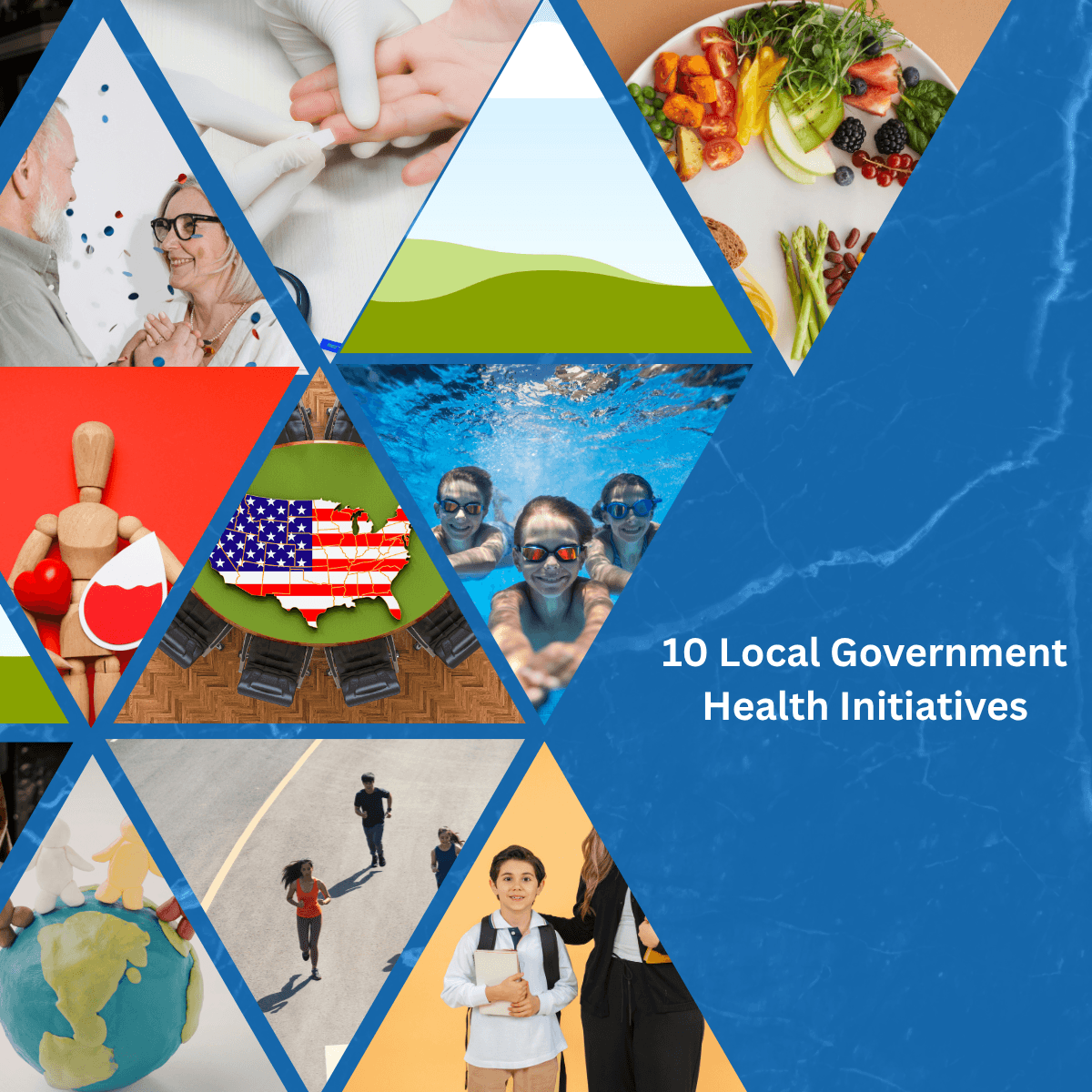
10 Local Government Health Initiatives
What does it actually take to build a healthier community today?
Healthy communities do not happen by accident. They are built through smart planning, public trust, consistent programs, and local leadership that turns good ideas into real action. Residents want access to care, safer neighborhoods, healthier food options, mental health support, and programs that improve quality of life.
But many cities and counties face the same reality: limited budgets, lean staff, and too many priorities competing for attention. The challenge is no longer knowing health matters. It is knowing how to execute health initiatives that actually work.
That is why now is the time for practical, measurable public health action.
Why Public Health Matters for Local Government
Health outcomes affect nearly every part of community life. When residents are healthier, communities become stronger, safer, and more resilient. Public health is not limited to hospitals or clinics. It connects to housing, transportation, parks, food access, education, public safety, workforce development, environmental quality, and how local government designs everyday services.
Stronger public health can lead to:
Lower emergency strain
Better school attendance
Safer neighborhoods
Stronger workforce participation
Lower long-term costs
Higher resident satisfaction
Better quality of life
For local governments, public health is also a performance issue. Cities and counties often carry the cost of preventable problems through emergency response, homelessness services, behavioral health calls, code enforcement, absenteeism, and rising social service demand. Investing earlier in prevention and smarter coordination can reduce pressure across multiple departments.
California offers a strong example through its Health in All Policies (HiAP) approach. Rather than treating health as the responsibility of one department, the model recognizes that decisions made across government shape community health outcomes. Transportation policies can influence physical activity. Housing policies can affect asthma rates and stability. Parks and greening projects can improve mental wellness and neighborhood safety. Food systems can impact chronic disease. Education and workforce programs can influence lifelong health and economic mobility.
This cross-functional strategy has been advanced through statewide collaboration involving agencies focused on transportation, housing, education, environmental protection, labor, public safety, natural resources, and health. The lesson for local governments is clear: better health outcomes happen faster when departments work together instead of in silos.
A modern city does not need to launch a massive new bureaucracy to improve health. It can start by aligning existing teams around shared goals, using data better, removing service friction, and prioritizing initiatives that benefit multiple departments at once.
That is why public health matters so much at the local level. It is not just about wellness. It is about how the government performs, how budgets are protected, and how communities thrive.
What the Healthiest States Can Teach Local Government
The strongest public health strategies are already visible across the country. According to a 2024 health index using CDC-based indicators such as air quality, obesity, physical activity, sleep, smoking, nutrition, and chronic disease trends, the top-performing states included:
Hawaii
Colorado
Vermont
Utah
New Hampshire
Massachusetts
Connecticut
California
Rhode Island
New Jersey
Common Lessons from High-Performing States
Invest in parks, trails, and active lifestyles
Improve access to preventive care
Expand nutrition and healthy food options
Support clean air and environmental health
Promote wellness education
Make healthy choices easier and more convenient
Coordinate efforts across multiple departments
The takeaway for local governments is clear: healthier communities are built through consistent action, not one-time programs. That is why the 10 initiatives below can create measurable local impact.
10 Health Initiatives for Local Governments
1. Health Education Programs
Workshops, webinars, public seminars, school outreach, and awareness campaigns can help residents understand nutrition, exercise, prevention, and healthy habits. Education is often one of the most cost-effective ways for local governments to improve long-term community health because informed residents are more likely to make healthier decisions, use available services, and seek help earlier.
Strong health education programs can cover practical topics such as:
Health Insurance Literacy – Help residents understand coverage options, preventive benefits, enrollment periods, and patient rights. Many families qualify for support but do not know where to start.
Programs for Children and Families – Promote maternal health, child wellness checkups, immunizations, parenting resources, family nutrition, and early childhood support services.
Healthy Lifestyle Education – Teach the basics of healthy eating, physical activity, hydration, sleep, stress reduction, and everyday wellness habits residents can apply immediately.
Emergency Preparedness and Response – Educate the public on disaster readiness, heat waves, wildfires, air quality alerts, disease outbreaks, evacuation planning, and how to access trusted information during emergencies.
Mental Health Awareness – Share local resources, crisis support options, stress management tools, and ways to reduce stigma around seeking help.
Senior Wellness Programs – Provide guidance on fall prevention, chronic disease management, mobility, nutrition, and staying socially connected.
Why Now:
Many preventable health issues begin with lack of awareness. Residents cannot use programs they do not know exist, and small problems often become expensive emergencies when people wait too long to act. Clear, accessible education helps communities stay healthier while reducing long-term strain on public.
2. Improve Access to Healthcare
Communities can expand access to healthcare through mobile clinics, health fairs, low-cost screenings, vaccination drives, telehealth services, and partnerships with hospitals, clinics, nonprofits, schools, and local providers. The goal is to bring care closer to residents and remove the barriers that prevent people from getting help early.
Local governments do not always need to build new healthcare systems. Often, the fastest path is coordinating existing resources and making them easier to reach.
Effective strategies can include:
Mobile Clinics – Bring primary care, dental care, vision checks, vaccinations, and wellness visits directly into neighborhoods with limited access.
Community Health Fairs – Offer screenings, education, insurance enrollment support, and connections to local providers in one convenient event.
Low-Cost or Free Screenings – Expand access to blood pressure checks, diabetes screenings, cancer screenings, mental health assessments, and preventive exams.
Telehealth Access Points – Create digital access hubs in libraries, community centers, and public facilities where residents can attend virtual appointments.
Transportation Support – Partner with transit agencies, rideshare programs, or volunteer networks to help residents get to appointments.
Provider Partnerships – Coordinate with hospitals, urgent care centers, federally qualified health centers, and private practices to close service gaps.
Multilingual Navigation Services – Help residents understand where to go, what services are available, and how to schedule care in their preferred language.
School and Workplace Clinics – Offer convenient care where families already spend time.
Behavioral Health Access – Improve pathways to counseling, crisis support, addiction treatment, and community mental health resources.
Why Now:
Many residents delay care because of cost, transportation, language barriers, scheduling challenges, or lack of information. When care is delayed, conditions often worsen, emergency room use increases, and long-term costs rise. Improving access helps residents stay healthier, reduces avoidable crises, and builds trust that local government services are working where they matter most.
3. Promote Physical Activity
Communities can improve public health by making movement easier, safer, and part of everyday life. Investing in parks, walking trails, bike paths, recreation leagues, fitness classes, playgrounds, and safe outdoor spaces helps residents of all ages stay active without needing expensive memberships or complicated routines.
Physical activity is one of the most effective ways to reduce chronic disease, improve mental health, strengthen community connection, and enhance quality of life. The key is not just telling people to exercise—it is designing communities where activity happens naturally.
Effective strategies can include:
Parks and Green Spaces – Maintain clean, welcoming parks where families can walk, play, gather, and be active.
Walking Trails and Paths – Create safe, well-lit trails for walking, jogging, and daily movement.
Bike Infrastructure – Add bike lanes, racks, and connected routes that make cycling practical and safe.
Recreation Leagues – Offer youth and adult sports leagues for soccer, basketball, baseball, pickleball, volleyball, and more.
Free Fitness Classes – Host community yoga, dance, stretching, bootcamps, or senior mobility classes in parks and public spaces.
Playgrounds and Family Spaces – Build active spaces that encourage movement for children while supporting family time.
Safe Streets Initiatives – Improve sidewalks, crosswalks, lighting, traffic calming, and accessibility so residents feel comfortable being outdoors.
School Partnerships – Expand after-school sports, shared-use fields, and activity programs for students and families.
Senior Activity Programs – Provide walking clubs, low-impact fitness, balance classes, and social wellness programs for older adults.
Community Challenges and Events – Organize fun runs, bike days, step challenges, wellness months, and neighborhood activity campaigns.
Why Now:
People are more likely to exercise when opportunities are visible, convenient, affordable, and close to home. When communities make activity easy, participation rises. That leads to healthier residents, lower healthcare costs, stronger social connection, and more vibrant neighborhoods.
4. Nutrition Programs
Communities can improve long-term health by making nutritious food easier to find, afford, and understand. Supporting farmers markets, community gardens, healthy food education, meal assistance programs, and local nutrition initiatives helps residents build better habits while reducing preventable health risks tied to poor diet.
Nutrition affects nearly every part of public health, including obesity, diabetes, heart disease, child development, school performance, energy levels, and overall quality of life. The strongest programs do more than encourage healthy eating—they create real access to healthier choices in everyday life.
Effective strategies can include:
Farmers Markets – Expand access to fresh fruits, vegetables, and local products in neighborhoods that lack healthy retail options.
Community Gardens – Create shared growing spaces that provide food, education, and stronger neighborhood connection.
Healthy Food Education – Offer classes on meal planning, reading nutrition labels, portion control, budgeting, and cooking healthy meals at home.
School Nutrition Programs – Improve school meals, student nutrition awareness, garden programs, and healthy snack initiatives.
Food Access Partnerships – Work with grocery stores, nonprofits, food banks, and local businesses to close food gaps.
Mobile Food Markets – Bring fresh food directly into underserved communities through mobile markets or produce trucks.
Senior Nutrition Support – Provide meal delivery, wellness checks, and nutrition resources for older adults.
Family Meal Assistance – Connect households to food benefits, local meal programs, and emergency food resources.
Healthy Vending and Public Facilities Standards – Improve food choices offered in city buildings, parks, recreation centers, and events.
Local Awareness Campaigns – Promote hydration, balanced meals, reducing added sugar, and practical healthy habits residents can sustain.
Why Now:
Healthy choices become easier when healthy options are visible, affordable, and accessible. Many residents want to eat better but face barriers like cost, convenience, transportation, or lack of information. Strong nutrition programs help families thrive, improve community wellness, and lower long-term healthcare costs.
5. Substance Abuse Prevention
Communities can reduce harm and save lives by investing in prevention, early intervention, and recovery support before addiction becomes a larger crisis. Launching school education campaigns, recovery resources, prevention messaging, and community support pathways helps residents access help earlier while strengthening public safety and community wellness.
Substance abuse affects far more than individual health. It can increase emergency response demand, strain families, impact schools, reduce workforce participation, contribute to homelessness, and place pressure on healthcare and public safety systems. Effective local strategies combine education, outreach, treatment access, and long-term recovery support.
Effective strategies can include:
School Prevention Programs – Provide age-appropriate education on substance risks, decision-making, peer pressure, and mental wellness.
Community Awareness Campaigns – Share clear, practical messaging about prevention, warning signs, and where to get help.
Early Screening and Referral – Expand access to screenings in schools, clinics, and community settings with direct referral pathways to care.
Recovery Resource Navigation – Help residents and families find counseling, treatment programs, support groups, and recovery services.
Mental Health Integration – Address underlying issues such as trauma, anxiety, depression, and stress that often intersect with substance misuse.
Youth Engagement Programs – Invest in sports, mentorship, after-school activities, and positive alternatives that reduce risk factors.
Family Support Services – Offer education, counseling, and support for families impacted by addiction.
Peer Recovery Networks – Connect residents with people who have lived experience and can provide trusted guidance.
Overdose Prevention and Harm Reduction – Provide education, life-saving tools, and outreach that keeps people connected to help.
Employer and Workforce Partnerships – Promote recovery-friendly workplaces and pathways back into employment.
Why Now:
Prevention and early intervention are far less costly than crisis response. When communities wait until addiction reaches emergency levels, the human and financial costs rise quickly. Proactive prevention helps save lives, reduce public system strain, and create stronger pathways to long-term recovery.
6. Mental Health Initiatives
Communities can strengthen public well-being by making mental health support easier to access, easier to understand, and less stigmatized. Providing counseling access, crisis resources, support groups, veteran services, and awareness campaigns helps residents get support earlier while reducing pressure on emergency systems, schools, and families.
Mental health affects every part of community life. It influences school performance, workforce participation, family stability, public safety, physical health, and overall quality of life. Strong local initiatives focus on prevention, early support, crisis response, and long-term recovery—not just emergency intervention.
Effective strategies can include:
Counseling Access – Expand low-cost or no-cost therapy, community counseling, and referral networks for residents who need support.
Crisis Resources – Promote hotlines, mobile crisis teams, urgent behavioral health services, and fast-response support options.
Support Groups – Offer peer groups for grief, anxiety, depression, caregivers, addiction recovery, parenting stress, and life transitions.
Veteran Services – Provide targeted mental health resources, peer support, housing navigation, and transition services for veterans and military families.
School Mental Health Programs – Increase access to counselors, student wellness education, and early intervention for youth.
Workplace Wellness Partnerships – Encourage employers to support stress management, burnout prevention, and mental health resources.
Senior Mental Health Support – Address isolation, grief, memory concerns, and emotional wellness for older adults.
Community Awareness Campaigns – Reduce stigma, normalize help-seeking, and educate residents on warning signs and available resources.
Trauma-Informed Services – Train staff across departments to better support residents experiencing trauma or chronic stress.
Digital and Telehealth Options – Use virtual counseling and online resources to expand reach and convenience.
Why Now:
Mental health demand continues to rise across every age group. Stress, isolation, economic pressure, family strain, and ongoing uncertainty have increased the need for support. Early access to care improves lives, strengthens communities, and helps local governments respond before issues become larger crises.
7. Immunization Campaigns
Communities can protect public health by making vaccinations easy to access, easy to understand, and trusted through clear communication. Promoting evidence-based vaccination education, clinic access, and public awareness helps reduce the spread of preventable diseases while protecting schools, workplaces, seniors, and vulnerable populations.
Immunization programs are one of the most effective preventive tools available to local governments. Strong campaigns combine education, convenience, and community trust rather than relying on messaging alone. When residents know where to go, what is recommended, and why it matters, participation improves.
Effective strategies can include:
Community Vaccination Clinics – Offer convenient clinics at schools, community centers, libraries, parks, and neighborhood hubs.
Mobile Vaccine Services – Bring vaccines directly to underserved areas, senior communities, and hard-to-reach populations.
Evidence-Based Education – Share clear, factual information about vaccine benefits, safety, schedules, and common questions.
Back-to-School Immunization Drives – Help families meet school requirements before deadlines and reduce last-minute barriers.
Seasonal Vaccine Campaigns – Promote flu, RSV, and other recommended seasonal protections when risk is highest.
Senior Outreach Programs – Prioritize older adults with targeted education and easy appointment access.
Employer Partnerships – Coordinate workplace vaccination opportunities and employee wellness outreach.
Multilingual Communication – Provide trusted information in the languages spoken across the community.
Reminder and Recall Systems – Use text, email, mailers, or public alerts to remind residents about recommended vaccines.
Healthcare Provider Collaboration – Align with clinics, pharmacies, hospitals, and pediatric offices for consistent community messaging.
Why Now:
Prepared communities reduce risk from preventable disease outbreaks. Higher immunization rates can lower transmission, reduce healthcare strain, protect vulnerable residents, and help schools and businesses operate with fewer disruptions.
8. Community Safety Programs
Communities can improve public health by creating safer environments where residents feel secure walking, gathering, commuting, and living their daily lives. Supporting safer streets, traffic improvements, sidewalks, neighborhood watch efforts, and violence prevention programs helps reduce injuries, lower stress, and strengthen trust across the community.
Safety and health are closely linked. Traffic collisions, unsafe crossings, violence, poor lighting, neglected public spaces, and fear of crime can affect physical health, mental wellness, economic activity, and overall quality of life. Strong local strategies combine infrastructure, prevention, community engagement, and responsive services.
Effective strategies can include:
Safer Streets Design – Improve road layouts, intersections, signage, and traffic calming to reduce crashes and protect pedestrians.
Sidewalk and Accessibility Upgrades – Expand sidewalks, curb ramps, crossings, and ADA-friendly pathways so residents can move safely.
Lighting Improvements – Add and maintain lighting in parks, streets, parking areas, and public spaces to increase visibility and confidence.
Traffic Safety Programs – Use speed awareness campaigns, school zone protections, and targeted enforcement in high-risk areas.
Neighborhood Watch Efforts – Support resident-led safety partnerships and stronger communication with local agencies.
Violence Prevention Programs – Invest in youth outreach, mentorship, conflict resolution, intervention services, and community-based prevention models.
Safe Routes to School – Create safer walking and biking access for students and families.
Park and Public Space Activation – Keep public areas active, maintained, and welcoming through events, recreation, and regular use.
Emergency Preparedness Coordination – Strengthen local readiness for disasters, evacuations, and critical incidents.
Data-Led Hotspot Response – Use incident trends and resident feedback to prioritize improvements where they are needed most.
Why Now:
Safety and health are deeply connected. Residents are more likely to exercise, use parks, support local businesses, attend school, and engage in community life when they feel safe. Safer communities often experience stronger well-being, higher trust, and better long-term outcomes.
9. Environmental Health Programs
Communities can protect long-term public health by improving the environments where people live, work, learn, and play. Focusing on clean air, clean water, recycling, pollution reduction, and sustainability education helps reduce preventable health risks while building cleaner, more resilient neighborhoods.
Environmental health is not separate from community health. Air quality can impact asthma and heart disease. Water quality affects safety and trust. Heat, wildfire smoke, flooding, waste management, and pollution can strain residents, infrastructure, and public systems. Strong local programs combine prevention, education, smart planning, and measurable action.
Effective strategies can include:
Clean Air Initiatives – Reduce emissions, monitor air quality, expand tree canopy, and educate residents during poor air conditions.
Clean Water Protection – Safeguard drinking water, improve stormwater systems, and communicate quickly about water quality issues.
Recycling and Waste Reduction – Increase recycling access, composting programs, and public awareness around waste diversion.
Pollution Reduction Programs – Address illegal dumping, industrial impacts, litter hotspots, and neighborhood environmental concerns.
Urban Greening Projects – Add trees, shade, parks, and green infrastructure that improve air quality and reduce heat.
Heat Resilience Planning – Create cooling centers, shade access, hydration campaigns, and emergency plans during extreme heat events.
Sustainability Education – Teach residents practical actions around conservation, energy use, water savings, and responsible disposal.
Healthy Housing Support – Address mold, pests, lead risks, indoor air quality, and other environmental hazards in homes.
Safe Transportation Options – Promote walking, biking, transit, and lower-emission mobility choices.
Data and Monitoring Programs – Use environmental data to identify risks, track progress, and prioritize investments.
Why Now:
Environmental conditions directly affect long-term health outcomes. Poor air, unsafe water, extreme heat, and pollution can increase illness, healthcare costs, and community vulnerability. Proactive environmental health programs help protect residents today while preparing communities for future challenges.
10. Healthy Aging Initiatives
Communities can improve quality of life by helping older adults remain healthy, connected, safe, and independent for as long as possible. Supporting seniors through transportation, meal access, wellness checks, social programs, and easier access to services helps residents age with dignity while reducing avoidable crises and caregiver strain.
Healthy aging is becoming a larger local government priority as communities see growing senior populations. Older adults often face barriers such as mobility limitations, isolation, chronic health conditions, digital access challenges, housing needs, and difficulty navigating available resources. Strong initiatives focus on prevention, connection, convenience, and coordinated support.
Effective strategies can include:
Senior Transportation Services – Provide rides to medical appointments, grocery stores, community centers, and essential services.
Meal Access Programs – Expand meal delivery, congregate dining, nutrition support, and food assistance for older adults.
Wellness Checks – Offer regular outreach calls, home visits, and safety check programs for vulnerable seniors.
Social and Community Programs – Create classes, clubs, recreation, volunteering, and events that reduce isolation and build connection.
Easy Service Navigation – Simplify how seniors access benefits, housing help, healthcare resources, and local programs.
In-Home Support Resources – Connect residents to caregiving assistance, home modifications, fall prevention, and daily living support.
Chronic Disease Management – Provide education and support for diabetes, heart health, memory concerns, and medication management.
Digital Inclusion Programs – Teach technology basics so seniors can use telehealth, communicate with family, and access services online.
Caregiver Support – Offer respite resources, education, and support networks for family caregivers.
Age-Friendly Community Design – Improve sidewalks, seating areas, lighting, accessibility, and public spaces that welcome older adults.
Why Now:
Aging populations require proactive support systems. When communities plan early, seniors can stay healthier and more independent, families receive needed support, and local systems avoid higher emergency and long-term care costs.
How to Get a Local Health Initiative Done (Practical Execution Plan)
Great ideas fail without execution. Use this framework to move from concept to results.
Phase 1: Pick One Priority Problem
Do not launch ten initiatives at once.
Choose one issue with clear community need, such as:
Youth obesity
Mental health access
Senior isolation
Diabetes prevention
Substance abuse prevention
Vaccination rates
Safe walking routes
Goal:
Create focus and avoid dilution.
Phase 2: Build a Small Task Force
Create a working group with decision-makers and operators.
Include:
Health department
Parks & Recreation
Schools
Police / Fire (if relevant)
Local nonprofits
Healthcare partners
Community leaders
Goal:
Shared ownership beats siloed efforts.
Phase 3: Set Measurable Outcomes
Choose simple success metrics.
Examples:
500 residents screened
200 seniors enrolled
20% increase in class attendance
1,000 households reached
Reduced missed appointments
Increased vaccination participation
Goal:
Measure outcomes, not activity.
Phase 4: Launch a 90-Day Pilot
Start small before citywide rollout.
Examples:
One neighborhood
One school district
One community center
One monthly event series
Goal:
Learn fast and improve quickly.
Phase 5: Make Access Easy
If participation is hard, adoption will be low.
Use:
Mobile-friendly signups
Text reminders
Website information hub
Multilingual materials
Evening/weekend access
Transportation support
Goal:
Remove friction.
Phase 6: Communicate Consistently
Many programs fail because residents never hear about them.
Use:
City website
Email newsletters
SMS alerts
Social media
Schools
Community groups
Faith organizations
Goal:
Awareness drives participation.
Phase 7: Review Data Monthly
Track what is working and what is not.
Review:
Participation rates
No-show rates
Resident feedback
Cost per participant
Staff workload
Community outcomes
Goal:
Improve continuously.
Phase 8: Expand What Works
Once the pilot proves value:
Increase budget
Add locations
Add partners
Extend services
Formalize annual plan
Goal:
Scale with confidence.
Why Modernization Matters Now
Many health programs still struggle with manual outreach, disconnected systems, scattered information, and limited visibility.
Modern tools can help teams operate faster and reach more residents without increasing complexity.
That means:
Faster staff answers
Better internal coordination
Easier resident communication
Smarter workflows
Better reporting
More consistent service delivery
Why AskBobAI Now
AskBobAI helps local governments modernize operations across websites, email, SMS, helpdesks, and internal teams.
That means health departments and city staff can deliver better service with fewer bottlenecks.
Use cases include:
Resident health FAQs
Internal policy answers
Staff support assistants
Workflow automation
Program knowledge hubs
Source-backed public responses
FAQ: Local Government Health Initiatives
What is the best health initiative to start with?
Start with the biggest local need backed by data and community feedback.
How long should a pilot program run?
A 90-day pilot is often enough to test demand, operations, and results.
How do you increase participation?
Make access easy, communicate often, and remove barriers like time, language, and transportation.
Can small towns run health initiatives too?
Yes. Smaller communities can often move faster and build stronger partnerships.
Final Thought
Public health is not just a department responsibility. It is a community growth strategy.
The best time to launch a health initiative is when the need is clear and the execution plan is ready. That is why now is the time to turn ideas into measurable outcomes.
Get everyone aligned, move faster across departments, and execute with confidence using AskBobAI. Smarter communities start with better coordination.