AI in Local Government
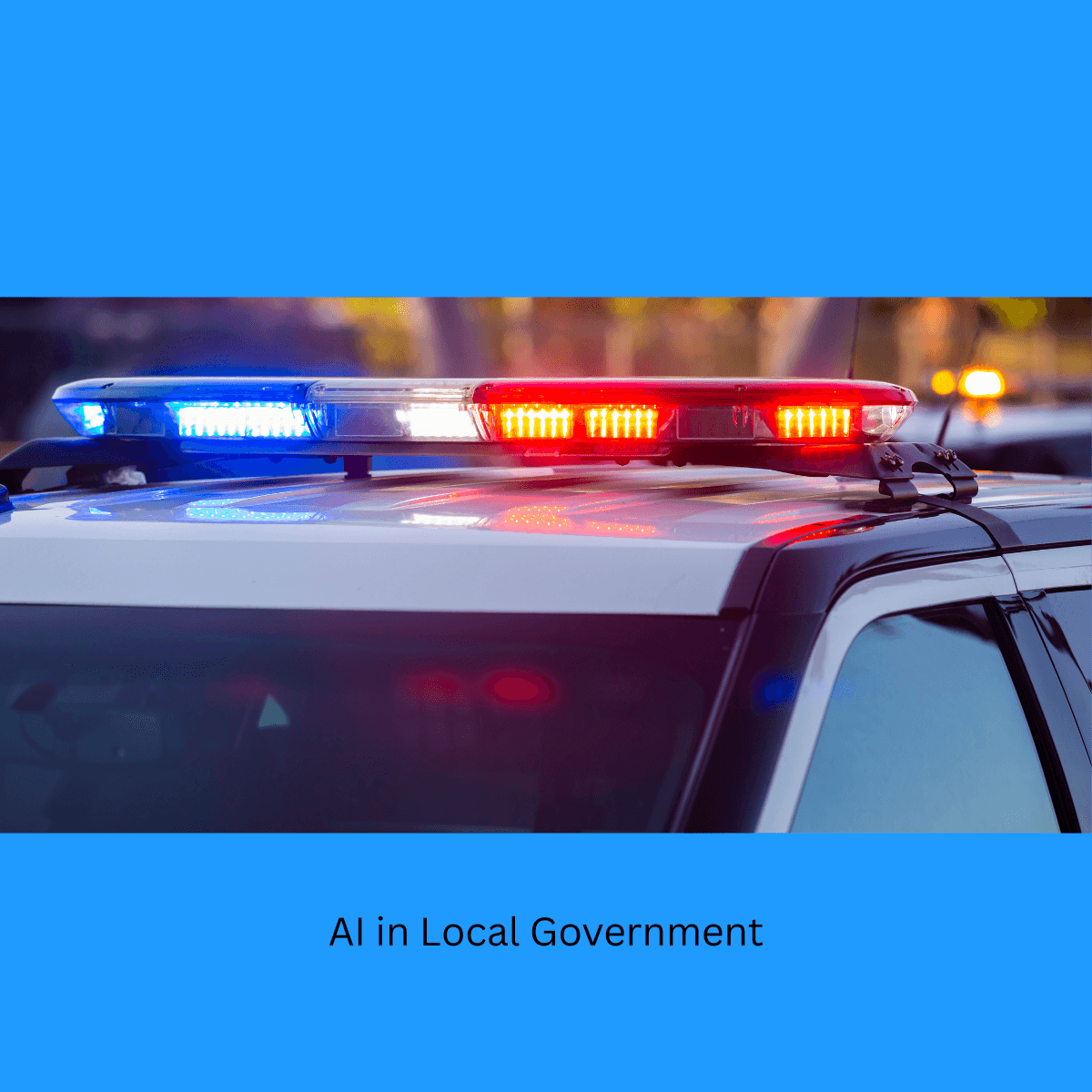
AI in Local Government: 10 Real-World Use Cases Transforming Public Services
Local governments are under more pressure than ever. Budgets are tight. Staffing shortages are real. Citizen expectations keep rising.
Artificial intelligence is quickly becoming one of the most practical tools local governments can use to do more with less—without sacrificing service quality or trust.
While only a small percentage of municipalities are actively using AI today, the majority are evaluating it, piloting programs, or drafting AI governance policies. The shift is already underway.
Below, we break down why AI matters in local government, the key benefits, and 10 practical use cases that are already reshaping how cities, counties, and agencies operate.
Why AI Matters in Local Government
Local governments exist to serve communities—but traditional systems weren’t built for modern demand. AI helps close that gap.
At its core, AI enables governments to:
Reduce administrative burden without cutting services
Improve response times for citizens
Make better, data-driven decisions
Stretch limited budgets further
For example, AI-powered assistants can instantly answer common employee questions about payroll, benefits, or onboarding—freeing HR and finance teams from repetitive tasks. On the citizen side, AI makes it easier to find accurate information about permits, utilities, public works, and local services without waiting on hold or visiting offices in person.
When layered into existing cloud systems, AI doesn’t just speed things up—it identifies patterns, surfaces insights, and helps leaders proactively improve outcomes.
Benefits of AI in Local Government
Before exploring specific use cases, it’s helpful to understand why AI is becoming essential for local governments. Agencies are facing tighter budgets, growing demand for services, and more complex operations. AI helps bridge that gap by bringing intelligence into everyday workflows—making services more efficient, empowering employees, and enabling better, data-driven decisions at scale.
Faster, More Accessible Citizen Services
Residents increasingly expect digital, self-service options. AI-powered chat and search tools allow citizens to get answers 24/7, submit requests, track issues, and receive updates—often in multiple languages.
This improves satisfaction while reducing call center volume and staff workload.
Higher Employee Productivity
AI automates routine work like document review, data entry, reporting, and analysis. By pulling information across departments and systems, AI reduces manual effort, errors, and delays—allowing staff to focus on higher-impact work.
Smarter Planning and Decision-Making
AI-driven analytics help governments forecast demand, detect trends, and evaluate policy outcomes. From budgeting to infrastructure planning, leaders gain clearer visibility into what’s working, what’s not, and what’s coming next.
10 Practical AI Use Cases in Local Government
1. Public Safety and Law Enforcement
AI helps analyze large volumes of data to identify crime patterns, allocate resources more effectively, and support proactive policing strategies. When used responsibly, AI can also improve situational awareness in crowded public spaces and large venues.
2. Traffic Management and Transportation
AI analyzes traffic flows in real time, adjusts signal timing, predicts congestion, and identifies infrastructure issues before they become costly problems. It can also optimize public transit routes, schedules, and maintenance.
3. Citizen Services and Support
AI chatbots and virtual assistants provide instant answers to common questions, guide residents through processes, and route complex issues to the right departments—reducing wait times and frustration.
4. Urban Planning and Development
AI processes data from sensors, maps, population trends, and environmental models to support smarter land use, zoning decisions, and long-term development planning. Digital twins and simulations help visualize the impact of future projects.
5. Healthcare and Social Services
AI helps agencies assess demand, streamline case management, summarize records, and assist residents with eligibility, applications, and benefits—while reducing administrative overhead for caseworkers.
6. Environmental Monitoring and Sustainability
AI monitors air quality, water systems, waste management, and energy usage. It helps identify inefficiencies, detect contamination risks, and support sustainability goals through smarter resource management.
7. Emergency Response and Disaster Management
By analyzing weather data, sensor inputs, and imagery, AI supports early warnings, faster damage assessment, and better coordination during natural disasters and emergencies.
8. Financial Management and Fraud Detection
AI reviews large volumes of financial transactions to detect anomalies, flag potential fraud, accelerate audits, and support smarter budgeting. It also helps automate procurement processes and financial reporting.
9. Community Engagement and Sentiment Analysis
AI analyzes feedback from surveys, forums, and social platforms to understand public sentiment, identify concerns, and track how opinions change across neighborhoods—giving leaders clearer insight into community priorities.
10. Education and Workforce Development
AI personalizes training for government employees, supports skill development, and improves recruiting by matching candidates to roles more effectively—while helping reduce bias in hiring decisions.
Bringing AI to Local Government—Responsibly
AI adoption in government requires more than technology. It demands:
Clear governance and ethical guidelines
Strong data security and privacy controls
Transparency in how AI is used and monitored
Platforms like AskBobai help local governments deploy AI responsibly by grounding answers in approved policies, documents, and data—ensuring accuracy, traceability, and trust.
AI in Local Government FAQs
What are the risks of AI in local government?
The biggest risks include data privacy concerns, security vulnerabilities, and misuse without clear policies. These risks are mitigated through governance frameworks, human oversight, and responsible AI design.
How can AI improve government services?
AI improves speed, consistency, and accessibility of services while reducing costs and administrative burden—especially in citizen support, planning, finance, and operations.
What is generative AI in local government?
Generative AI helps governments automate content creation, summarize documents, answer questions, and assist staff and citizens using natural language—when grounded in trusted data sources.